Introduction
Modern dentistry has undergone remarkable transformation over the past few decades. Advances in orthodontics, implant dentistry, cosmetic treatments, and pediatric care have improved both oral health and patient experiences.
Todayâs dental professionals use advanced technology, digital planning, minimally invasive procedures, and patient-centered approaches to deliver safer, faster, and more comfortable care.
This article explores how invisible braces, traditional braces, dental implants, and pediatric dentistry are shaping the future of oral healthcare.
The Evolution of Orthodontics
Traditional braces have evolved significantly.
Modern systems are:
Smaller
More comfortable
More efficient
More aesthetic
Rise of Invisible Orthodontics
Clear aligners have become increasingly popular.
Benefits include:
Cosmetic appeal
Removability
Improved comfort
Easier hygiene
Digital Orthodontic Technology
Orthodontists now use:
3D scanners
Digital treatment planning
Artificial intelligence
Remote monitoring systems
Importance of Proper Bite Alignment
Orthodontics improves:
Chewing efficiency
Speech clarity
Jaw balance
Oral hygiene
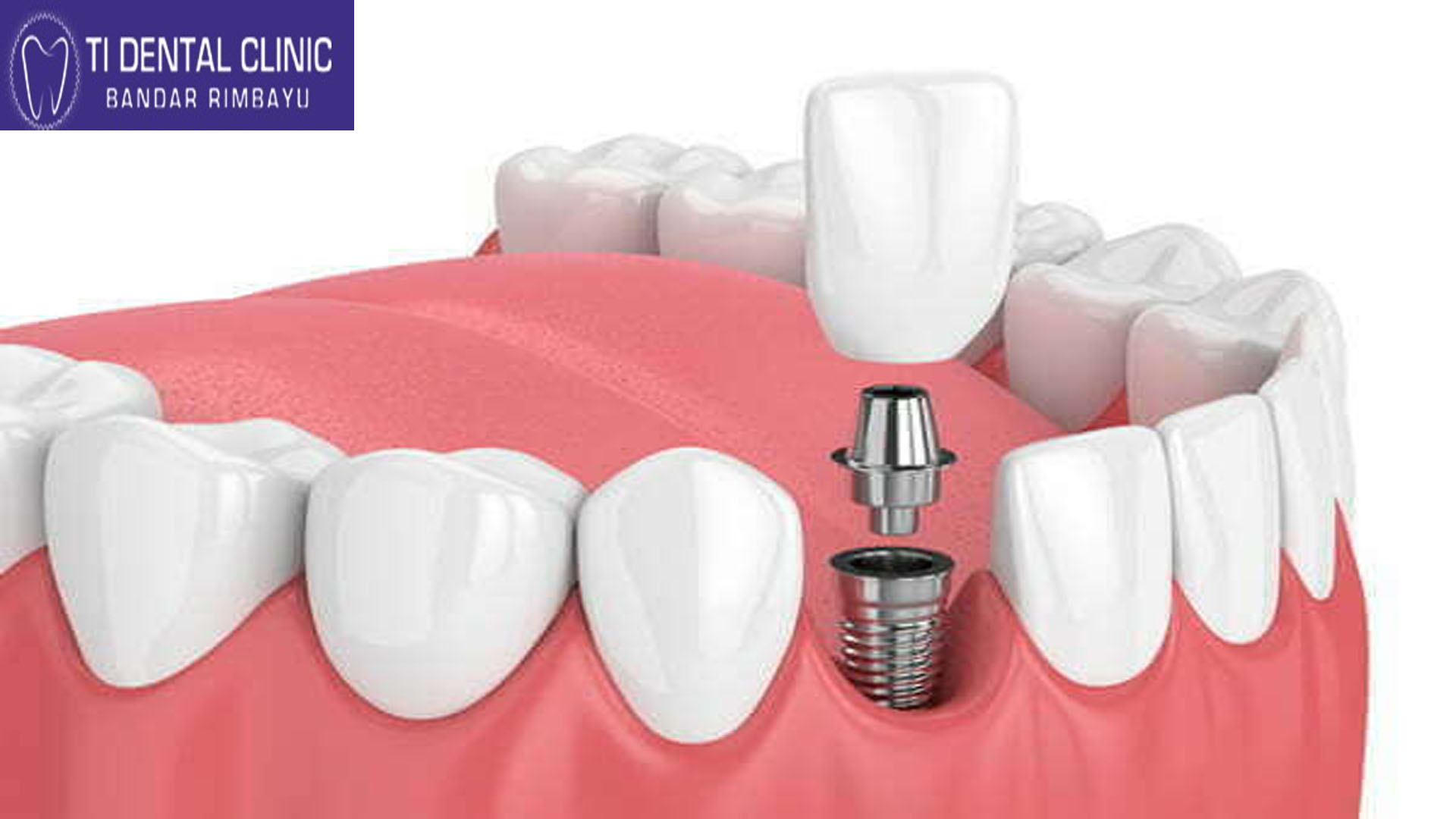
Dental Implants and Oral Rehabilitation
Dental implants restore:
Missing teeth
Jawbone stimulation
Facial structure
Confidence
Implant Technology Advancements
Modern implant dentistry uses:
Guided surgery
Immediate loading
Advanced implant surfaces
CAD/CAM restorations
Pediatric Dentistry and Prevention
Children benefit greatly from early preventive care.
Pediatric dentists focus on:
Education
Prevention
Positive experiences
Growth monitoring
The Role of Preventive Dentistry
Preventive care reduces:
Cavities
Gum disease
Future treatment needs
Artificial Intelligence in Dentistry
AI assists with:
Diagnostics
Treatment planning
Smile simulations
Monitoring tooth movement
Cosmetic Dentistry and Confidence
Smile improvements often enhance:
Self-esteem
Social interactions
Professional confidence
Patient Comfort Innovations
Modern dentistry emphasizes comfort through:
Sedation options
Laser dentistry
Digital impressions
Minimally invasive procedures
Importance of Oral Hygiene
Technology alone cannot replace good habits.
Patients should:
Brush regularly
Floss daily
Visit dentists routinely
Future Trends in Dentistry
Researchers continue developing:
Faster orthodontics
Smart implants
Regenerative dentistry
Personalized dental treatments
Emotional Impact of Healthy Smiles
Healthy smiles positively affect:
Mental well-being
Communication
Confidence
Quality of life
Conclusion
Modern dentistry combines technology, prevention, aesthetics, and patient-centered care to improve oral health outcomes dramatically. Invisible braces, traditional braces, dental implants, and pediatric dentistry each play essential roles in restoring function, enhancing appearance, and building confidence.


